
Sharps, Flats and Natural Signs Explained for Beginners
Rolf
What Are Sharps, Flats and Natural Signs in Music Theory?
Sharps, Flats and Natural Signs Explained
Western music divides the octave into twelve equal semitones.
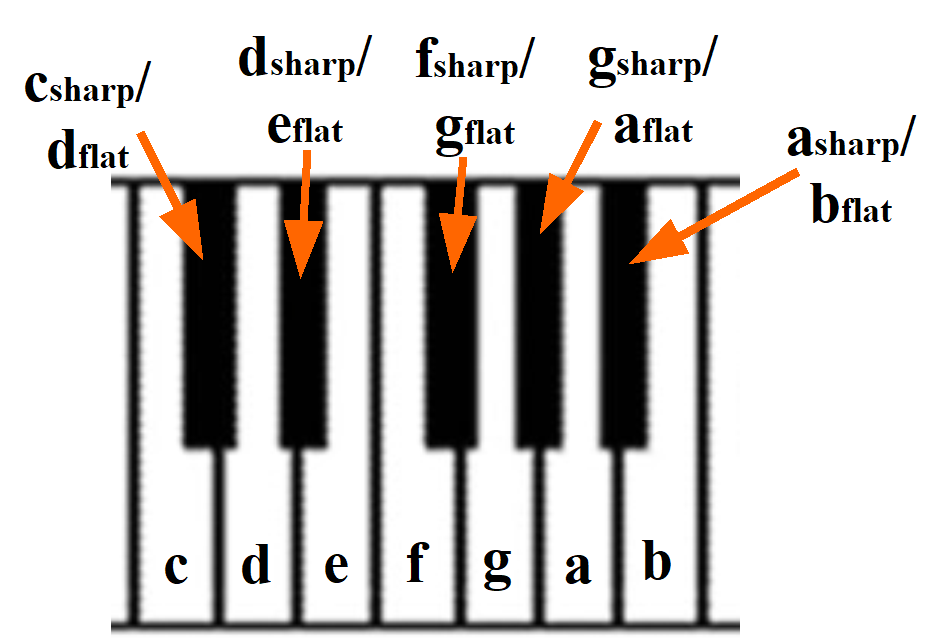
To represent these pitches, music notation uses accidentals.
Sharps
A sharp (#) raises a note by one semitone.
For example:
C becomes C#
- F becomes F#
Flats
A flat (♭) lowers a note by one semitone.
For example:
D becomes D♭
- B becomes B♭
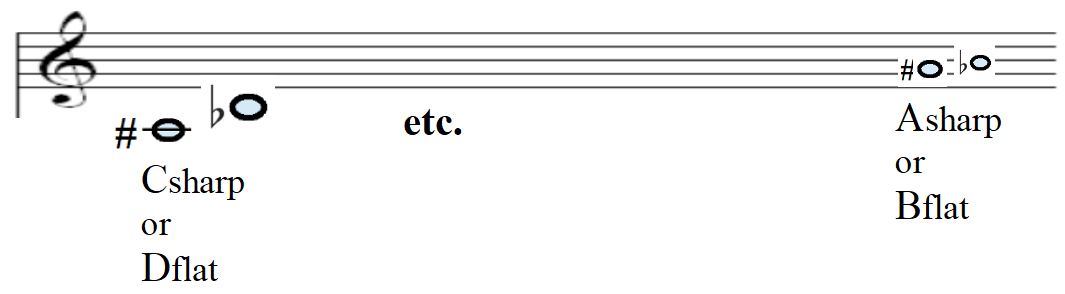
Equivalent Notes
In equal temperament, some notes share the same pitch.
Examples include:
C# = D♭
F# = G♭
E = F♭
- F = E#
These are called enharmonic equivalents.
Natural Signs
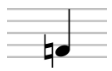
A natural sign cancels a previous sharp or flat.
It restores the note to its unaltered pitch.
Accidentals Within a Bar
Once an accidental appears in a bar, it remains active for subsequent occurrences of the same note until the end of that bar.
The next bar begins with a clean slate unless the accidental is part of the key signature.