Understanding 4/4, 3/4, 2/4, 5/4 and 6/8 Time Signatures
What Is the Difference Between 4/4, 3/4, 2/4, 5/4 and 6/8 Meter?
Understanding Common Time Signatures
Time signatures tell us how beats are organized inside a bar. The top number indicates how many beats are contained in a bar, while the bottom number indicates which note value receives one beat.
4/4 Meter
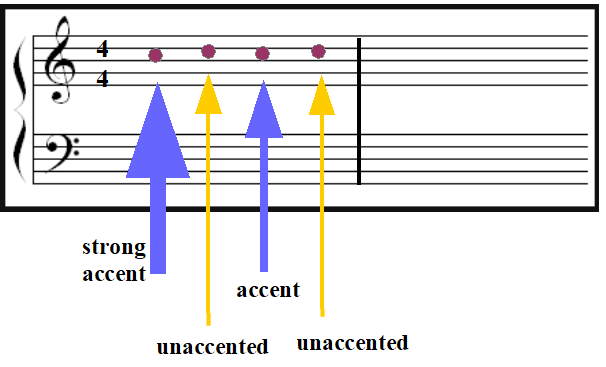
4/4 is the most common meter in modern music.
Each bar contains four quarter-note beats.
Many styles of pop, rock, electronic music, and dance music use 4/4 meter.
3/4 Meter
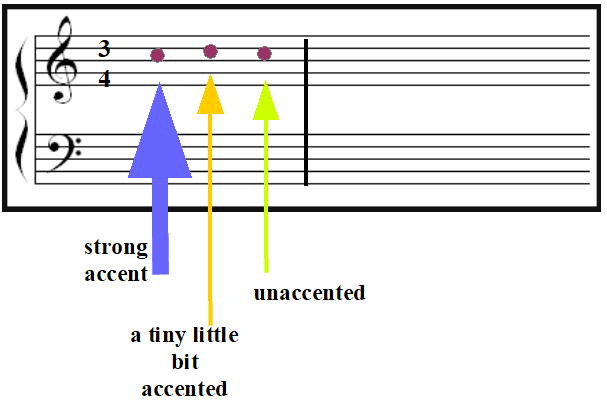
3/4 contains three quarter-note beats per bar.
The first beat receives the strongest accent.
Traditional waltzes are among the best-known examples of 3/4 meter.
2/4 Meter
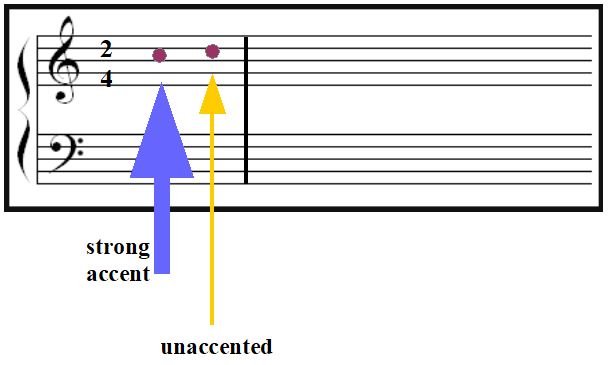
2/4 contains two quarter-note beats per bar.
The strong–weak pattern creates a direct and stable feeling.
Military marches often use this meter.
5/4 Meter
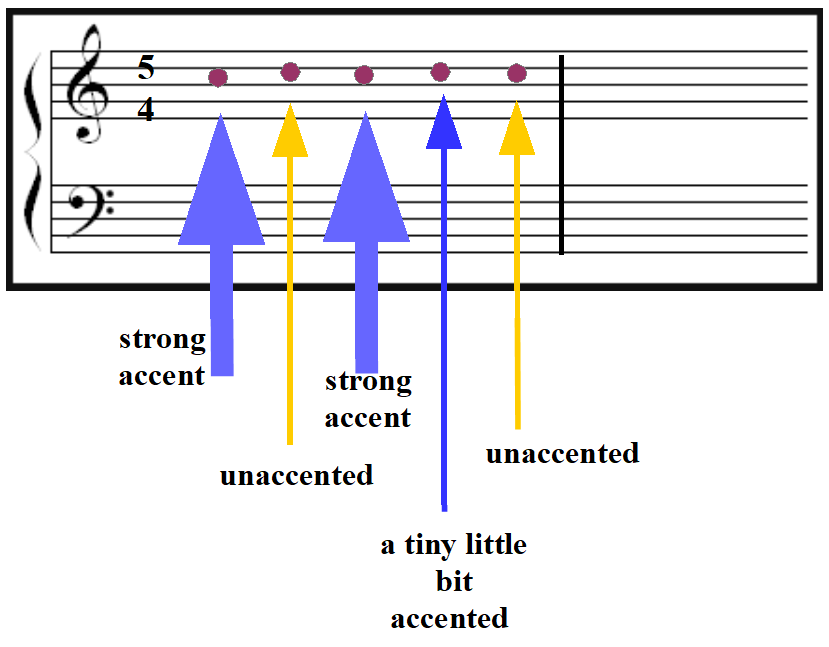
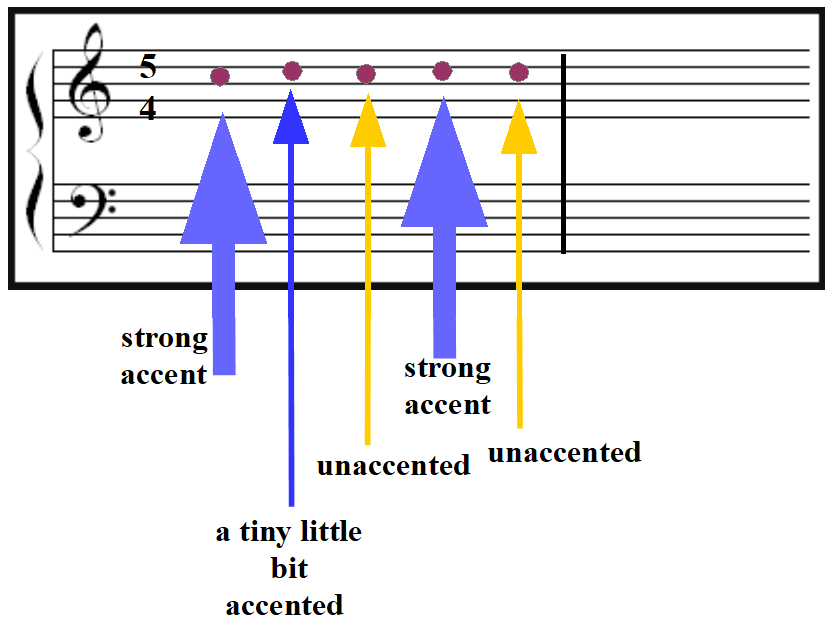
5/4 is an odd meter.
It is commonly grouped as:
2 + 3
- 3 + 2
Although both contain five beats, they feel quite different because the accents occur in different positions.
6/8 Meter
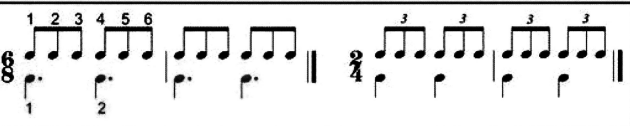
6/8 is one of the most energetic and flowing meters.
The six eighth notes are typically grouped into two larger beats containing three eighth notes each.
This creates a strong forward momentum and a characteristic rolling feel.
Subdivision and Accents
Whenever a note value is divided into smaller units, the first subdivision naturally receives the strongest accent.
This principle helps explain why different meters feel so distinct.