What Are Bars, Meter and Rhythm in Music? A Beginner's Guide
Explain Bars, Meter and Rhythm in Music Theory for Beginners
What Are Bars, Meter and Rhythm in Music?
Before learning scales, chords, harmony, or composition, it is important to understand how musical time is organized. Three concepts form the foundation of musical timing:
Bars (measures)
Meter
- Rhythm
These concepts affect much more than drums and percussion. They influence melodies, musical phrases, motifs, accompaniment patterns, and even harmonic progressions.
What Is a Bar?
A bar (also called a measure) is a container that holds a specific number of beats. Bar lines divide music into these regular units. Each bar follows the rules established by the time signature.
For example, in a 4/4 meter, each bar contains four beats. In a 3/4 meter, each bar contains three beats.
What Is Meter?
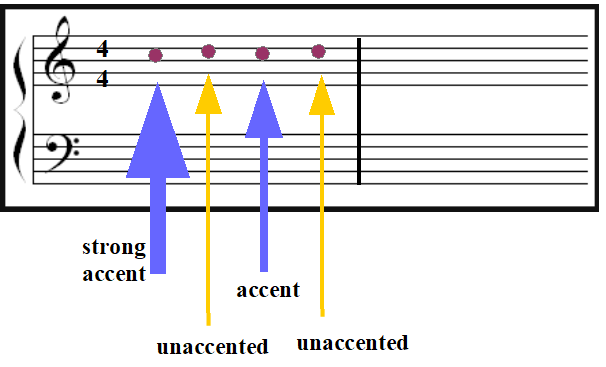
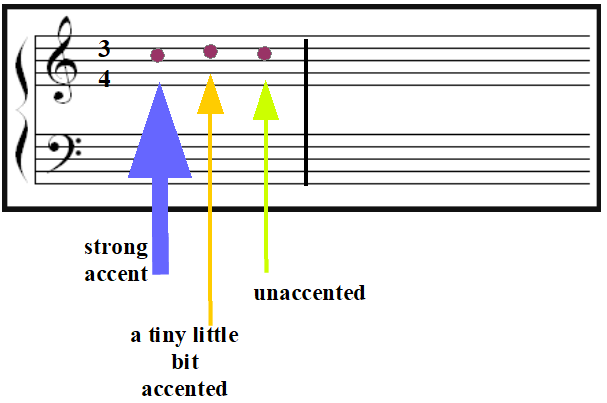
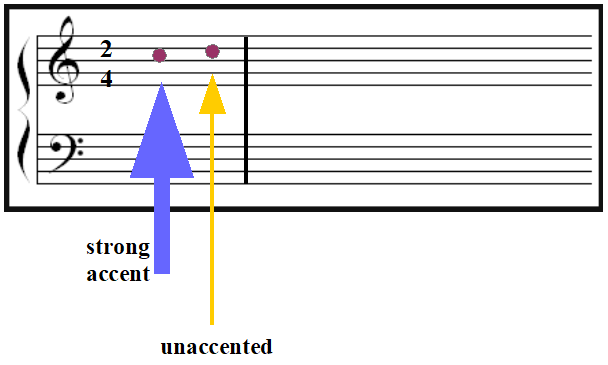
Meter determines how beats are grouped and accented.
Some beats feel stronger than others. These repeating patterns create the characteristic feel of a piece of music.
Common examples include:
4/4: strong–weak–medium–weak
3/4: strong–weak–weak
- 2/4: strong–weak
These accent patterns strongly influence the listener's perception of movement and structure.
What Is Rhythm?
Rhythm is the arrangement of notes and rests within a meter.
While meter provides the framework, rhythm creates the actual musical activity inside that framework.
Two pieces may share the same meter but have completely different rhythmic identities.
Why Meter Matters
Meter is not merely a technical detail. It shapes how music feels.
A waltz feels different from a march. A rock groove feels different from a jig. These differences arise largely from the underlying meter.
Understanding bars, meter, and rhythm provides the foundation for everything that follows in music theory.